
Investing
A high backtest Sharpe ratio proves little: what real validation requires
Reported Sharpe ratios inflate with every unreported trial, and the corrections that account for this are arithmetic, not opinion.
Reported Sharpe ratios inflate with every unreported trial, and the corrections that account for this are arithmetic, not opinion.

Out-of-sample scoring is the only published test that approximates live trading, and most papers still manage to overstate it.
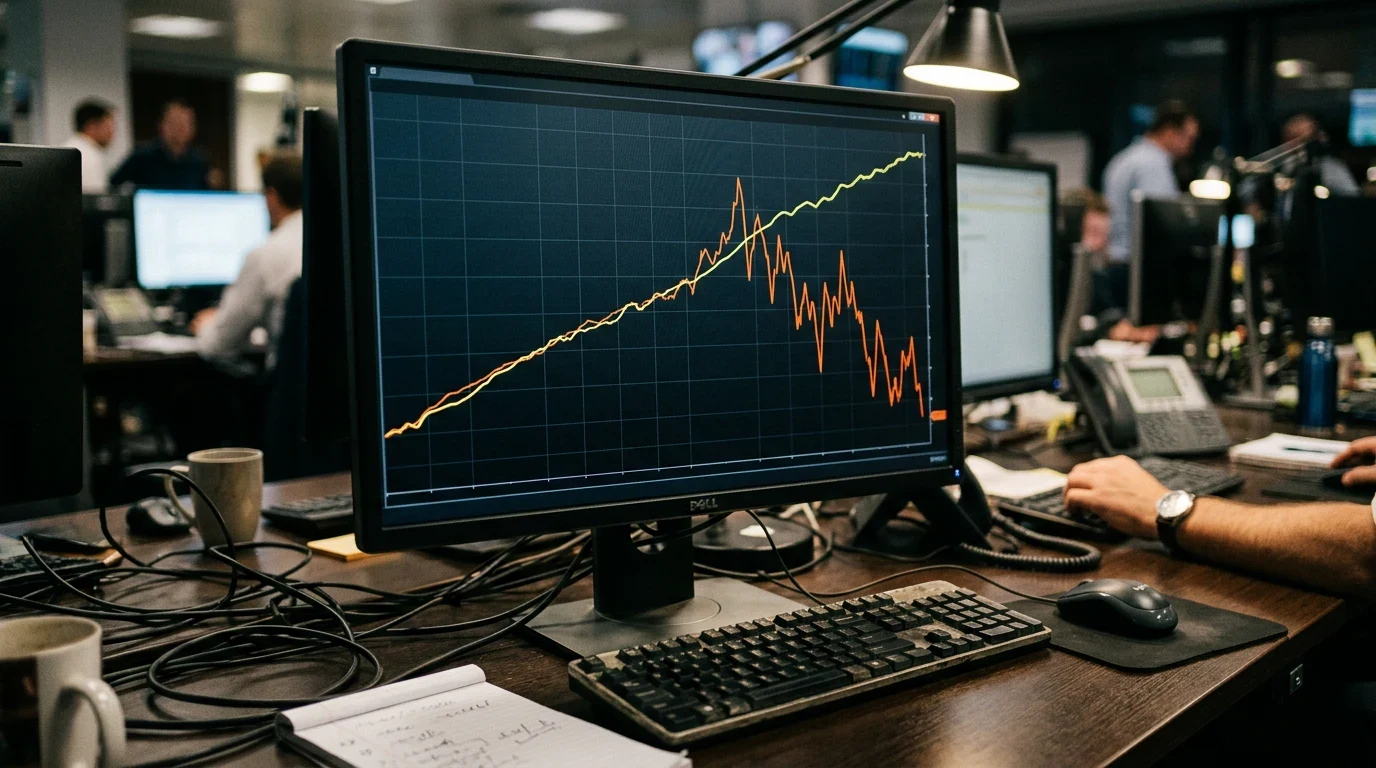
A diagnostic built to answer one question a good Sharpe ratio can't: how much of a backtested strategy's performance is signal, and how much is the number of…
AI-driven trading and forecasting tools are often sold on the strength of impressive backtested results. Here is the mechanism by which those results can be…
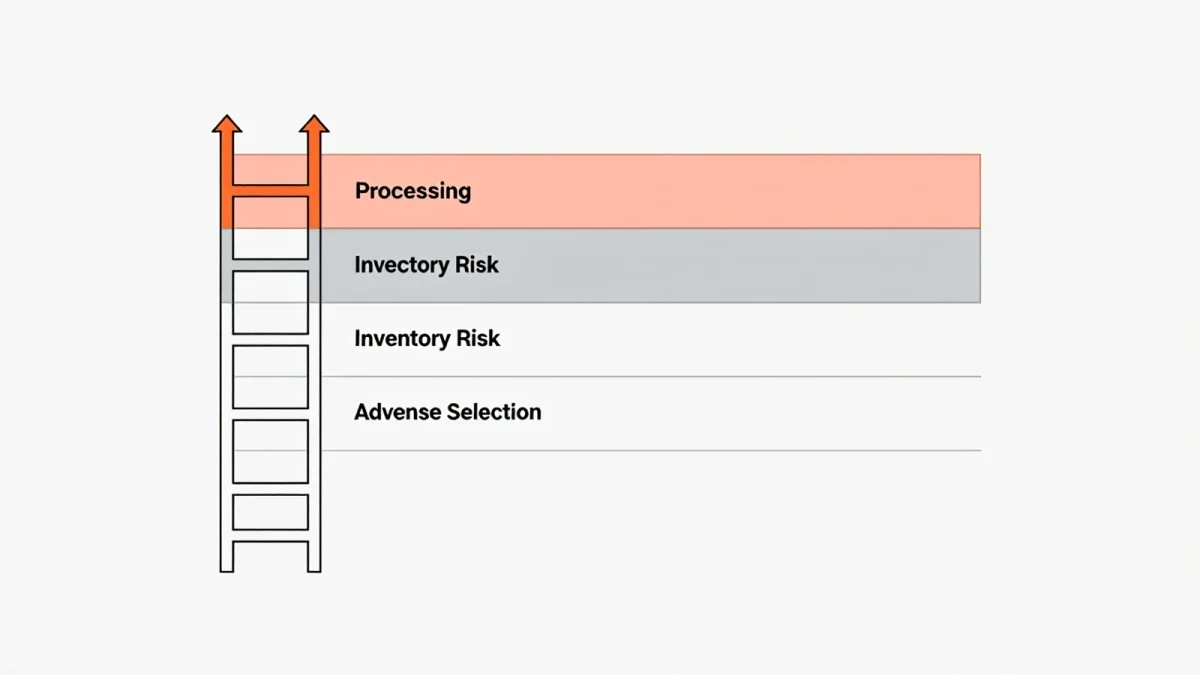
A spread decomposes into processing cost, inventory risk and adverse selection — and each component behaves differently when markets speed up.

Volume counts transactions, not conviction — and the modern tape's count includes flows that carry no opinion at all.
Multiple testing turns luck into apparent skill. What the correction procedures control, the hurdles the replication literature settled on, and what a corrected…
Turnover measures the pace of trading in the portfolio — a fact with predictable cost and tax consequences, not a verdict on skill.

The advance estimate prints 1.5 percent annualized growth after 1.6 percent in Q1 — and by design it is an estimate of an estimate.
The DXY is six currencies, euro-weighted and 1973-vintage — a specific basket, not the dollar against the world.
Federal regulators rewrote model risk management guidance in April 2026, keeping the same validation core built around conceptual soundness and outcomes…

The 2026 results — 32 banks, $708 billion in projected losses — arrive inside a methodology overhaul that trades year-to-year volatility for smoother…
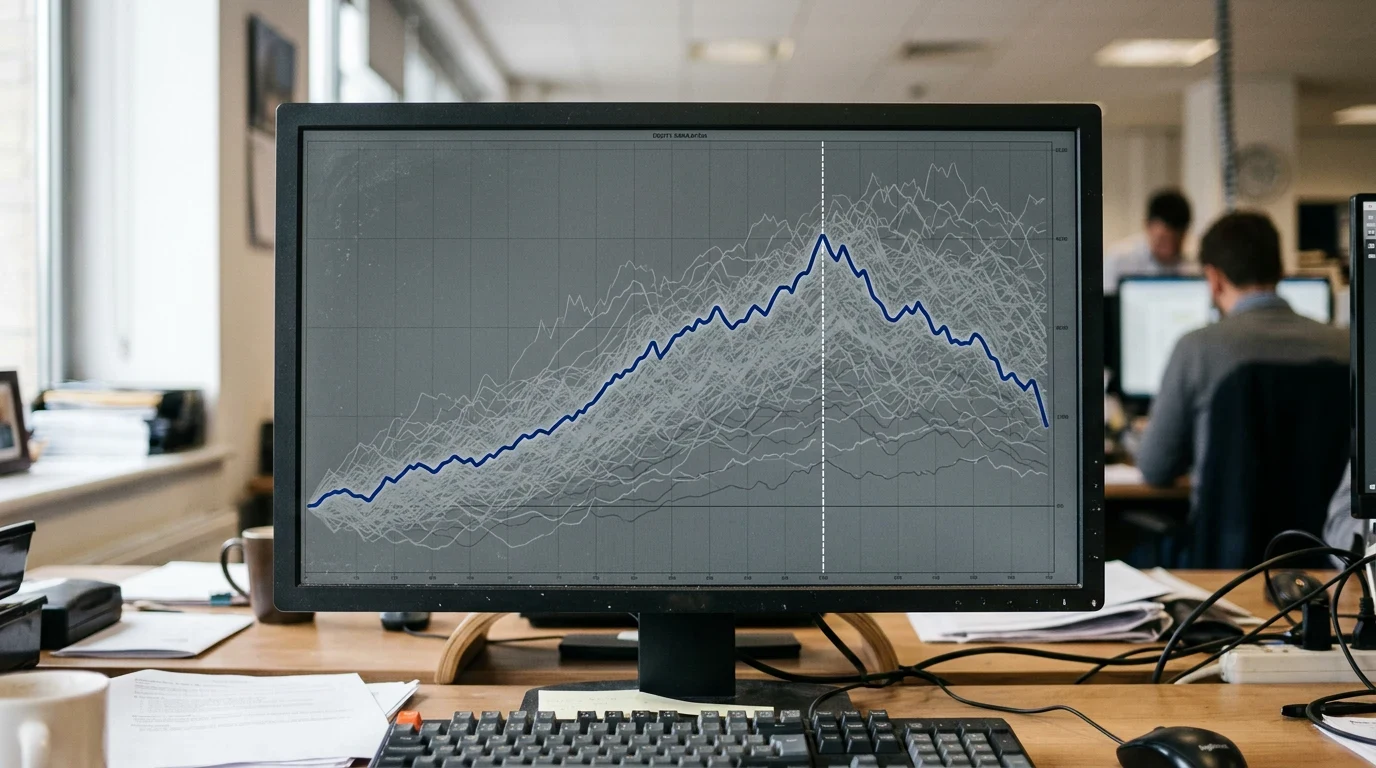
Ten trials are enough to yield an in-sample Sharpe ratio of 1.57 from strategies with zero expected out-of-sample performance. What validation, multiple-testing…
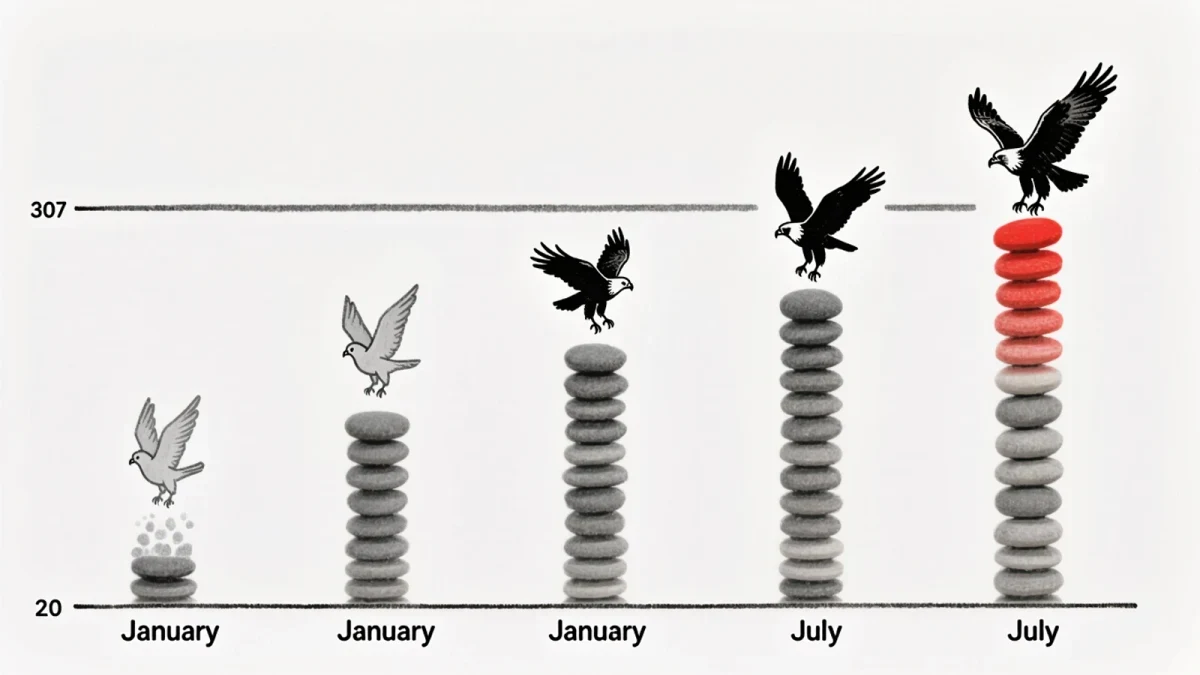
The 9-3 vote on July 29, 2026 kept the range at 3.50 to 3.75 percent, the year's first hawkish dissents arriving after a unanimous June.

The SEC's first AI-washing settlements penalized false marketing about artificial intelligence, not a model's forecasting accuracy — a distinction that matters…

The 12-month rate fell sharply on a 0.1 percent monthly print — energy mechanics and base effects deserve the credit before narratives do.

Point-in-time integrity, provenance, history depth and decay tests — the questions that separate a signal from a spreadsheet.
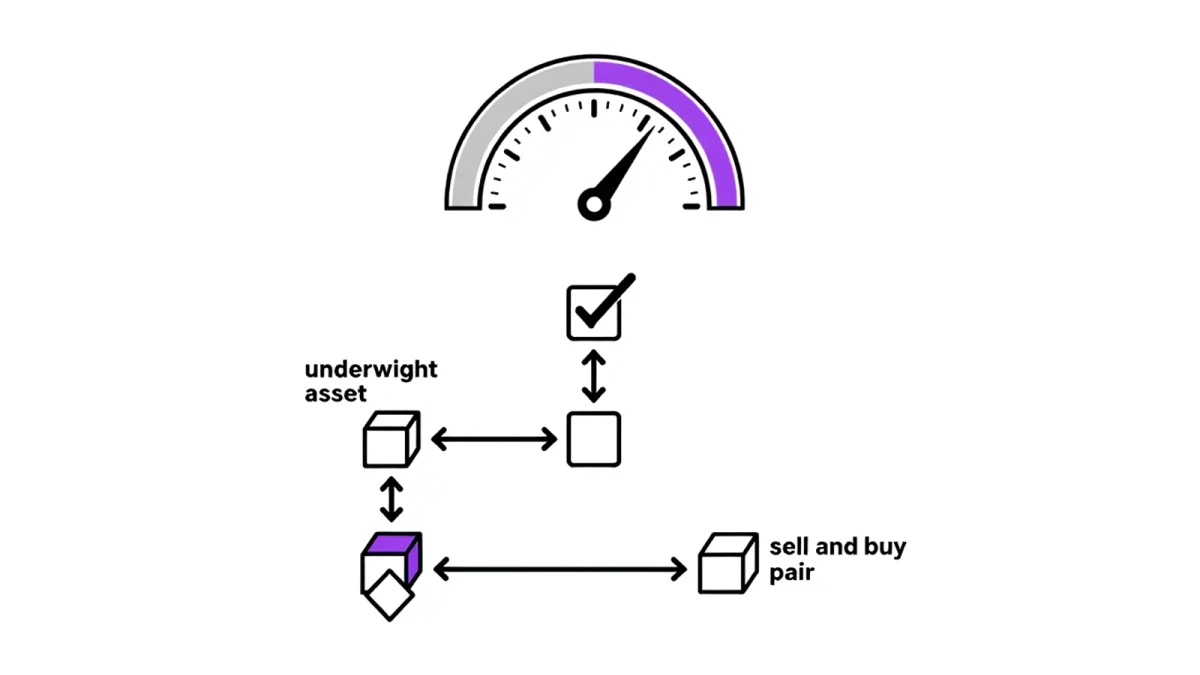
Automated rebalancing is real and rule-based — the measurable question is what the rule is and what it costs against doing it yourself.